

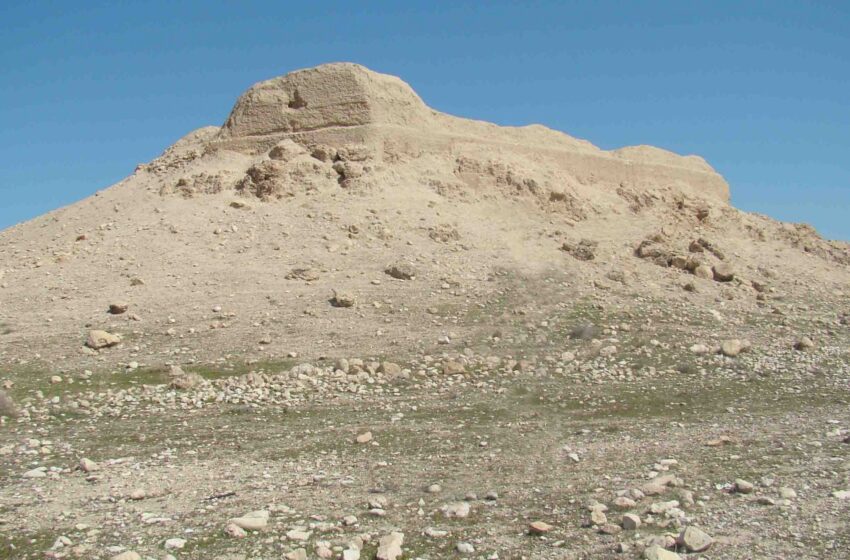
Places of Worship – Azar Faranbagh
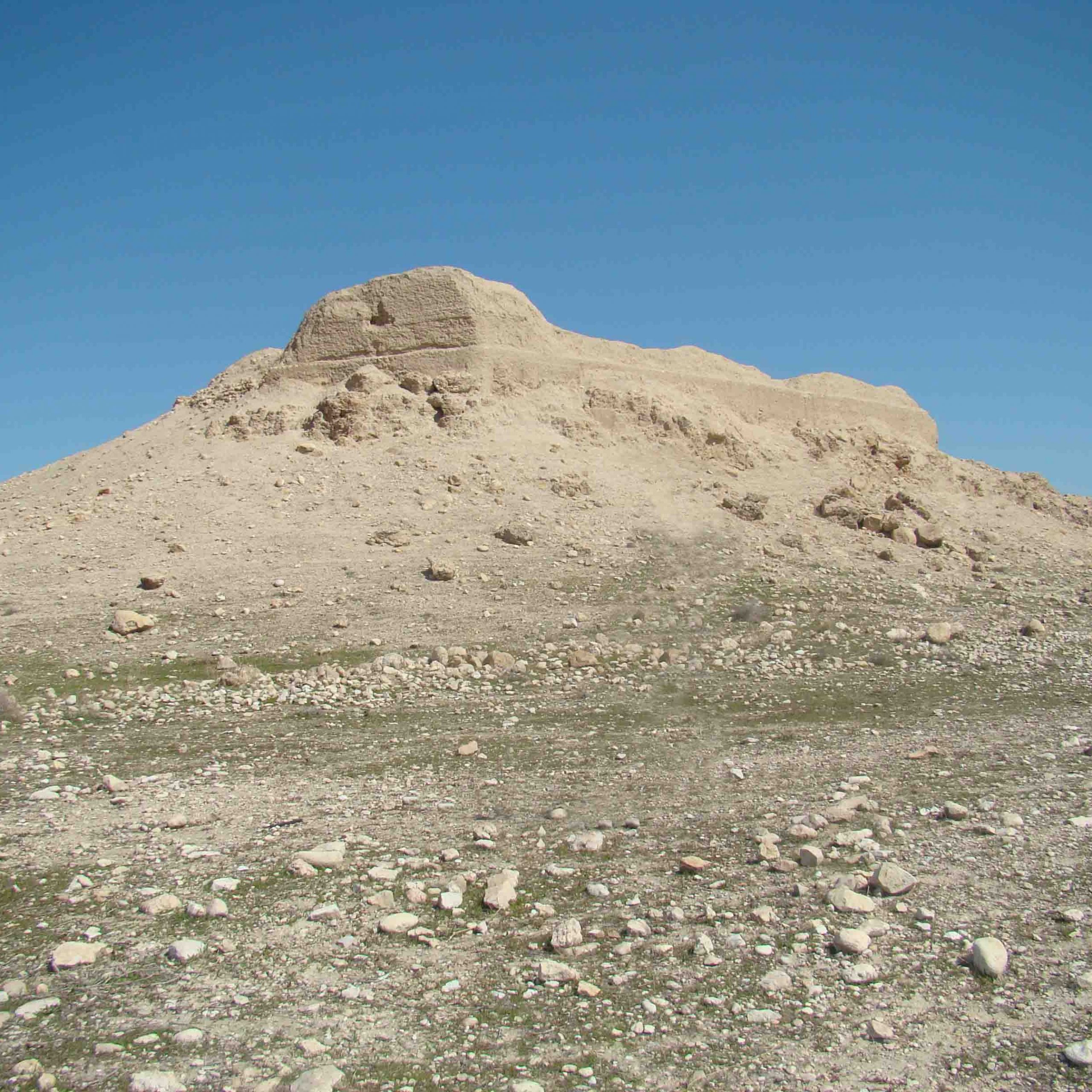
Wikimedia Commons | Juyom | CC BY-SA 4.0
Fazal Ahmad, London, UK
Location: Fars, Iran
Belief: Zoroastrianism
Era: 400 BCE
Over 2,000 years ago, during the Sassanid era, in what is now present-day Iran, the Zoroastrian faith was widely practised. Numerous fire temples existed throughout the entire empire, from Iran to Azerbaijan to Georgia – regions that fell under the sphere of influence of the Persian rulers.
At that time, three of the most prominent fire temples were: Azar Goshnasib, located near Takab towards Azerbaijan, primarily used by kings and their military; Azar Faranbagh in Fars, dedicated to the priestly class; and Azar Borzin Mehr in Khorasan, which was reserved for farmers and the working class.
Azar Faranbagh is located near modern Kariyan in southern Iran, between Shiraz and Bandar Abbas. It was tended to by Zoroastrian priests who believed in monotheism. However, now it is mainly ruins, sitting atop a mountain.
Among the Zoroastrians, worshippers would keep a sacred fire burning at all times, both in their homes, but more importantly in their temples. The purpose was not to worship the fire itself, but to remind themselves of its pure attributes of warmth and protection and as an embodiment of their Creator Ahura Mazda. The fire, being eternal, represented another eternal entity – the soul. Worshippers would contemplate the journey of the soul in the context of their fragile humanity.
The temples were originally housed in a stone structure with a dome and entrances from all four sides. The fire itself was housed in a dark room in the centre. Adjacent to the temples were water pools where worshippers would cleanse themselves before entering the temple in a symbolic act of cleansing their soul before standing in front of the Divine, just as Muslims perform ablutions before their five daily prayers.
As eternal flames, these temples became places of pilgrimage for adherents. However, as the faith came under pressure and persecution, the flame was eventually moved from Azar Faranbagh to a new temple in Yazd for safekeeping.
References:
Iran Safar, “Zoroastrian Fire Temples,” October 30, 2021. Accessed: August 29, 2023. https://www.iransafar.co/zoroastrian-fire-temples/
H. Loveday, B. Wannell. H. Baumer, & B. Omrani, Iran – Persia: Ancient and Modern (Hong Kong: Odyssey Books & Guides, 2005).