

Masnun Post Iftar Duas – Islam Hashtag
Masnun Post Iftar Duas (Authentic Supplications After Breaking the Fast)
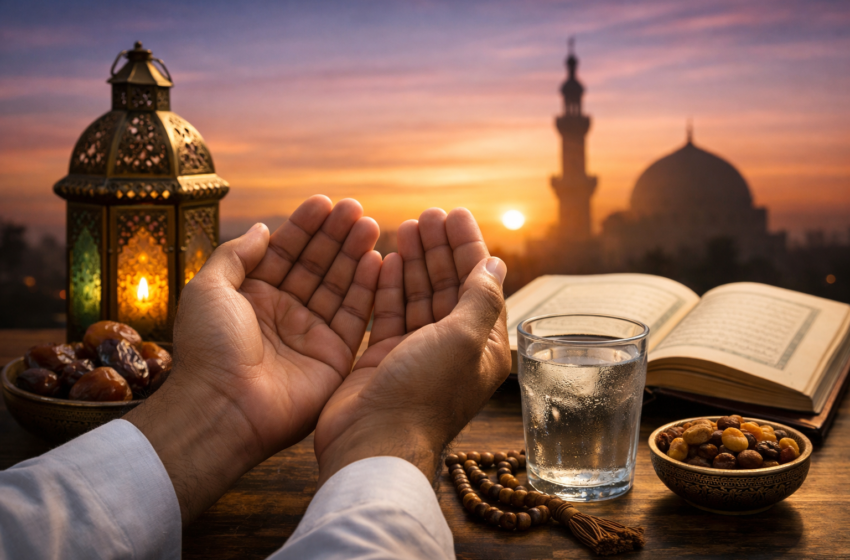
As the sun sets and the fasting person takes the first sip of water, there is a moment that feels deeply intimate — a moment between the servant and Allah. Hunger fades, thirst disappears, but what remains is something greater: hope. Hope that the fast was accepted. Hope that sins were forgiven. Hope that Allah looked at us with mercy.
The Prophet ﷺ did not leave us without guidance even in this beautiful moment. Below are the masnun (reported) duas recited at the time of breaking the fast, along with their English translations and references.
1. The Most Authentic Post-Iftar Dua
Arabic:
It’s completely free.
ذَهَبَ الظَّمَأُ وَابْتَلَّتِ الْعُرُوقُ وَثَبَتَ الْأَجْرُ إِنْ شَاءَ اللَّهُ
Translation:
The thirst has gone, the veins are moistened, and the reward is confirmed, if Allah wills.
Reference: Sunan Abi Dawud
This is the most well-known and authentic narration regarding the dua at the time of iftar. It reflects gratitude, relief, and reliance upon Allah’s acceptance.
2. Allahumma Laka Sumtu
Arabic:
اللَّهُمَّ لَكَ صُمْتُ وَعَلَى رِزْقِكَ أَفْطَرْتُ
Translation:
O Allah, for You I fasted and upon Your provision I break my fast.
Reference: Sunan Abi Dawud
This dua reminds us that the fast was solely for Allah, and even the food with which we break our fast is from His provision.
3. Alhamdulillah Alladhi A‘anani
Arabic:
الْحَمْدُ لِلَّهِ الَّذِي أَعَانَنِي فَصُمْتُ وَرَزَقَنِي فَأَفْطَرْتُ
Translation:
All praise is for Allah who helped me so I fasted, and who provided for me so I broke my fast.
Reference: Al-Bayhaqi
This supplication emphasizes that even our ability to fast is not from our strength — it is Allah’s help and tawfiq.
4. Allahumma Laka Sumna wa ‘Ala Rizqika Aftarna
Arabic:
اللهم لك صمنا وعلى رزقك أفطرنا فتقبل منا إنك أنت السميع العليم
Translation:
O Allah, for You we fasted and upon Your provision we broke our fast, so accept from us. Indeed, You are the All-Hearing, the All-Knowing.
Reference: Al-Daraqutni
This version is often recited collectively, especially in family settings.
5. Allahumma Inni As’aluka bi Rahmatika
Arabic:
اللهم إني أسألك برحمتك التي وسعت كل شيء أن تغفر لي
Translation:
O Allah, I ask You by Your mercy which encompasses all things to forgive me.
Reference: Sunan Ibn Majah
A beautiful dua seeking forgiveness at a moment when supplications are accepted.
6. Ya Wasi‘ al-Maghfirah
Arabic:
يا واسع المغفرة اغفر لي
Translation:
O Possessor of vast forgiveness, forgive me.
A short yet powerful plea that can be repeated sincerely after iftar.
A Gentle Reminder
Scholars have mentioned that the most established dua specifically reported from the Prophet ﷺ at the time of breaking the fast is:
ذَهَبَ الظَّمَأُ وَابْتَلَّتِ الْعُرُوقُ وَثَبَتَ الْأَجْرُ إِنْ شَاءَ اللَّهُ
Other narrations are reported with varying levels of strength. Therefore, while it is permissible to make any sincere dua at iftar, priority should be given to what is authentically established.
The time of iftar is a moment of acceptance. The Messenger of Allah ﷺ informed us that the fasting person has a supplication that is not rejected at the time of breaking the fast (reported in various hadith collections).
May Allah accept our fasting, forgive our shortcomings, and allow us to taste not only the sweetness of food at sunset, but the sweetness of His acceptance. Ameen.
Related
Discover more from Islam Hashtag
Subscribe to get the latest posts sent to your email.