

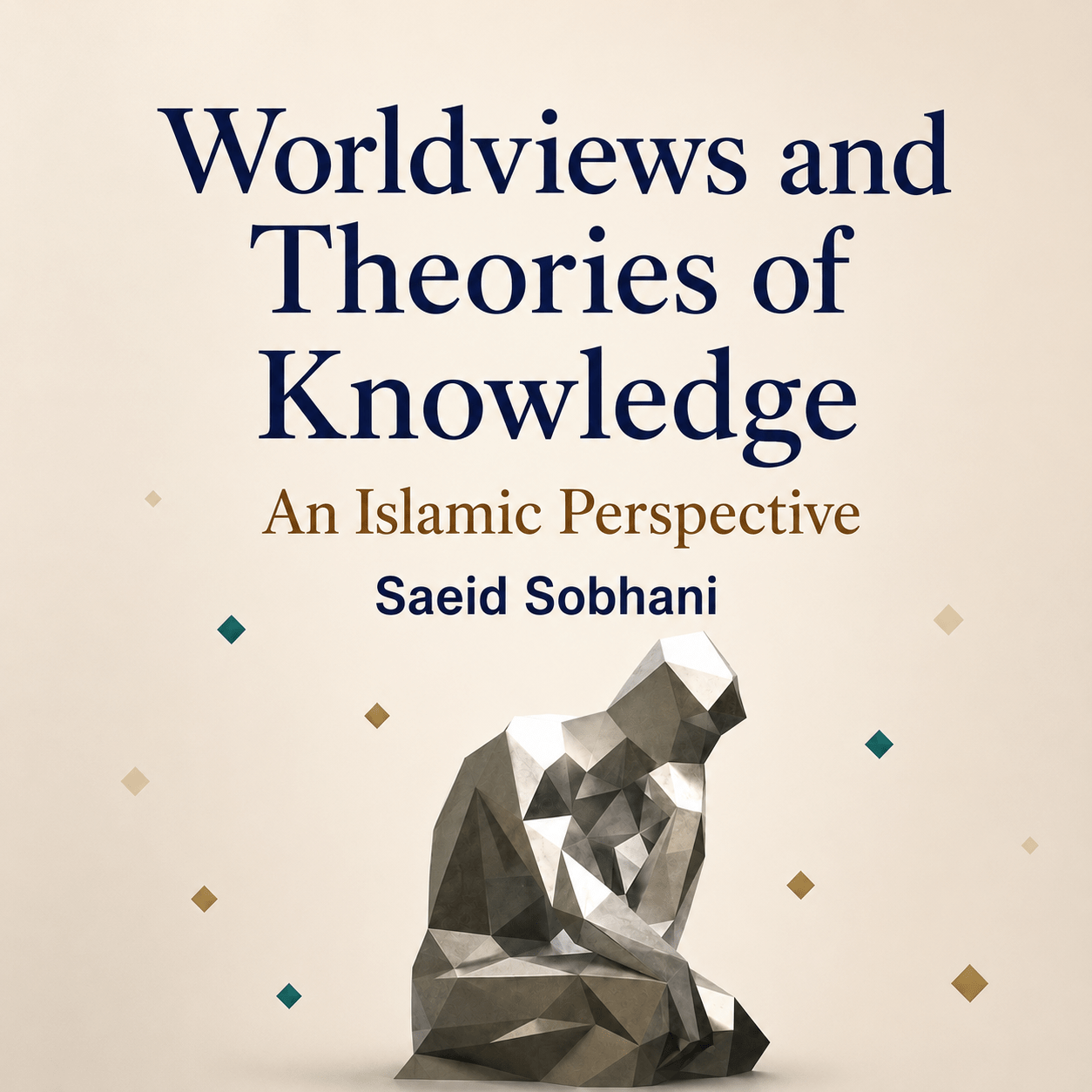
Worldviews and Theories of Knowledge
A New On-Campus and Online Course: Worldviews and Theories of Knowledge
Course Overview
This course explores, in five sessions, the relationship between worldviews, ideologies, and knowledge (epistemology). It examines how different ways of understanding reality shape beliefs, values, and social systems, and investigates the sources and validity of human knowledge.
Course Outline
Session 1: Worldviews, Ideologies, and Human Understanding
- Definition of worldview and ideology
- Relationship between worldview and ideology
- How differing worldviews lead to differing beliefs, values, and social systems
- Historical and contemporary significance of ideological differences
Session 2: Sources of Worldviews
- How beliefs about knowledge shape worldviews
- Major approaches to understanding reality:
- Empirical/Scientific
- Rational/Philosophical
- Revelation-Based
- Comparison of different approaches to truth and reality
Session 3: Foundations of Epistemology
- What is knowledge?
- Key epistemological questions:
- Does reality exist independently of the mind?
- Can reality be known?
- Can knowledge be communicated?
- Sources and limits of human cognition
Session 4: Acquiring and Evaluating Knowledge
- The roles of experience, reason, and revelation
- Criteria for distinguishing true knowledge from false knowledge
- Strengths and weaknesses of different methods of knowing
- Barriers to accurate understanding and cognition
Session 5: Comparative Perspectives and Critical Reflection
- Comparative analysis of major worldviews
- Qur’anic and other philosophical perspectives on knowledge and reality
- Relationship between knowledge, belief, and action
- Contemporary relevance and directions for further study
Course Outcome
Participants will understand how theories of knowledge shape worldviews, how worldviews give rise to ideologies, and how different approaches to knowledge influence human thought and behavior.