


School Counseling Grounded In The Qur’an And Sunnah: A Framework Of 10 Prophetic Traits
The profession of School Counseling, in today’s schools, uses licensed educators who design and deliver comprehensive programs aimed at supporting students in three specific domains: academic achievement, career readiness, and social-emotional development. They serve as advocates, problem-solvers, and trusted adults who help students overcome barriers to success and reach their full potential.
However, School Counseling, when rooted in the Qur’an and Sunnah, becomes more than a profession. It becomes a form of worship, a fulfillment of trust, and a reflection of prophetic character in the modern educational environment. The Prophet Muhammad ﷺ embodied qualities that heal hearts, elevate communities, and restore dignity. These qualities translate seamlessly into the daily work of a school counselor, forming a prophetic framework for supporting children, families, and staff.
1. The first quality is Prophetic Presence. The Prophet ﷺ carried a calmness that steadied those around him. Allah ﷻ says,
Keep supporting MuslimMatters for the sake of Allah
Alhamdulillah, we’re at over 850 supporters. Help us get to 900 supporters this month. All it takes is a small gift from a reader like you to keep us going, for just $2 / month.
The Prophet (SAW) has taught us the best of deeds are those that done consistently, even if they are small.
Click here to support MuslimMatters with a monthly donation of $2 per month. Set it and collect blessings from Allah (swt) for the khayr you’re supporting without thinking about it.
“Indeed, in the Messenger of Allah (saw) you have an excellent example.” [Surah Al-Ahzab; 33:21]
His presence regulated emotions, softened tension, and brought clarity to confusion. For a counselor, presence is not passive; it is an active, stabilizing force that helps children feel anchored even in moments of distress.
2. Equally essential to School Counseling is Prophetic Listening. The Prophet ﷺ listened with his full attention, turning his entire face toward whoever spoke. He never dismissed a person’s feelings, even when their words were imperfect. The Qur’an praises those who respond to harshness with peace, and the Prophet ﷺ taught that reconciling hearts is among the best deeds.
“And the servants of the Most Merciful are those who walk upon the earth easily, and when the ignorant address them [harshly], they say [words of] peace,” [Surah Al Furqan; 25:63]
In counseling, listening becomes a form of mercy — a way of honoring the emotional reality of a child who may not yet have the vocabulary to express their pain.
3. The Prophet ﷺ also modeled Prophetic Dignity, protecting people from humiliation even when correcting them. The Qur’an commands believers not to ridicule or insult one another (49:11), and the Prophet ﷺ emphasized that a true Muslim is one from whose tongue and hand others are safe.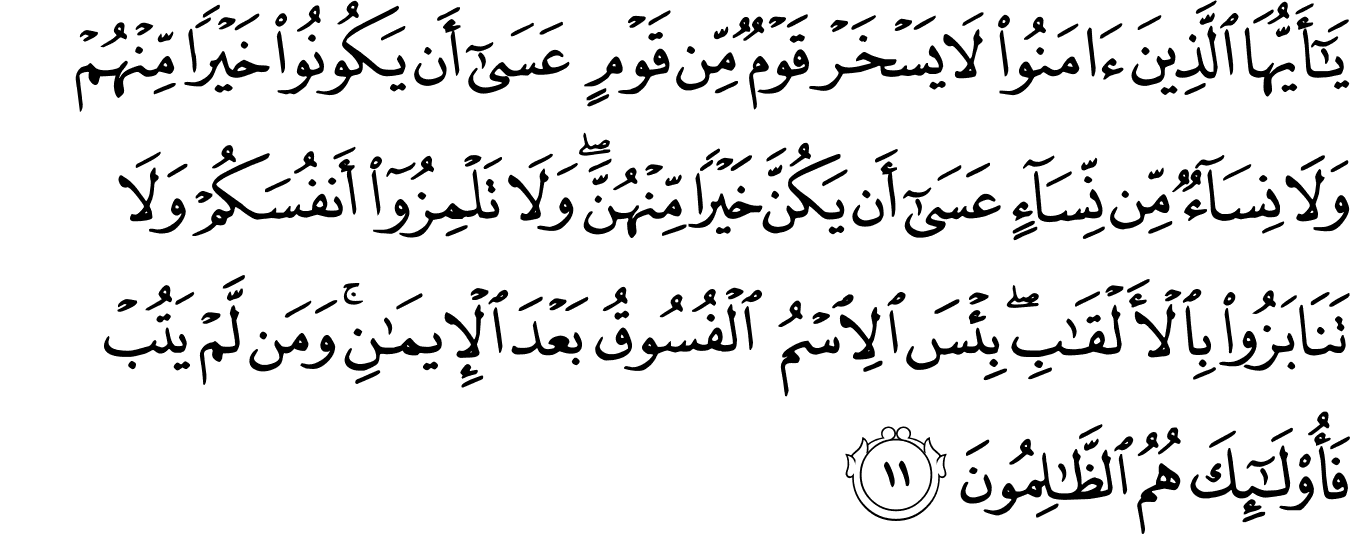
“O you who have believed, let not a people ridicule [another] people; perhaps they may be better than them; nor let women ridicule [other] women; perhaps they may be better than them. And do not insult one another and do not call each other by [offensive] nicknames. Wretched is the name of disobedience after [one’s] faith. And whoever does not repent – then it is those who are the wrongdoers.” [Surah Al Hujurat; 49:11]
A counselor upholds dignity by correcting privately, advocating respectfully, and ensuring that every child feels seen without being shamed.
4. From dignity flows Prophetic Mercy. Allah ﷻ says,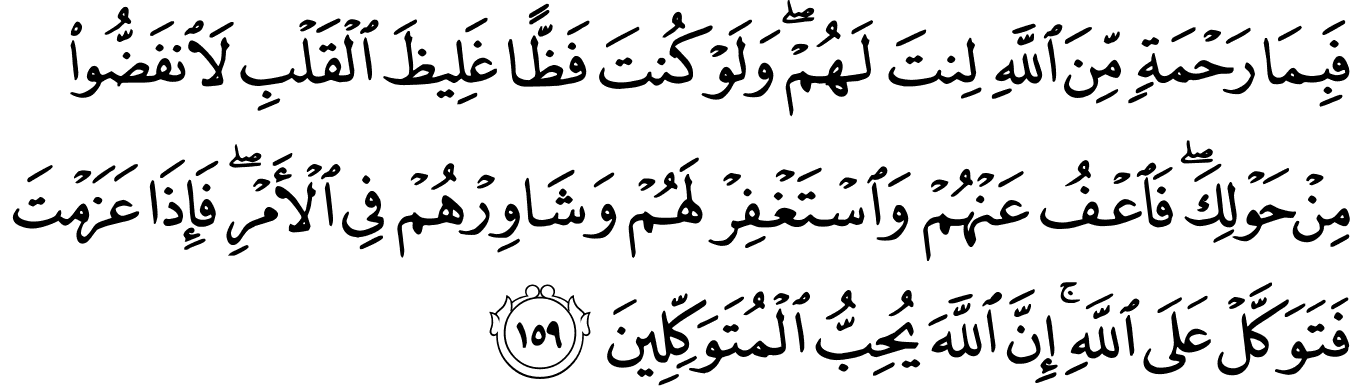
“So by mercy from Allah, [O Muhammad], you were lenient with them. And if you had been rude [in speech] and harsh in heart, they would have disbanded from about you. So pardon them and ask forgiveness for them and consult them in the matter. And when you have decided, then rely upon Allah. Indeed, Allah loves those who rely [upon Him]. [Surah ‘Ali-Imran; 3:159].
Mercy guided the Prophet’s discipline, his teaching, and his leadership. He reminded us that those who show no mercy to children are not aligned with his example. In counseling, mercy is not permissiveness — it is correction without cruelty, guidance without harshness, and boundaries delivered with compassion.
5. A counselor must also embody Prophetic Hope. The Qur’an forbids despair, and the Prophet ﷺ lifted people from their lowest moments, restoring their belief in their own potential.
“Say, “O My servants who have transgressed against themselves [by sinning], do not despair of the mercy of Allah. Indeed, Allah forgives all sins. Indeed, it is He who is the Forgiving, the Merciful.” [Surah Az-Zumar. 39:53]
He taught that believers do not make others lose hope. Children often come to counselors carrying fear, shame, or confusion; prophetic hope helps them see a future beyond their present struggle.
6. Justice is central to prophetic character, forming the foundation of Prophetic Fairness. The Qur’an commands believers to stand firmly for justice even against themselves.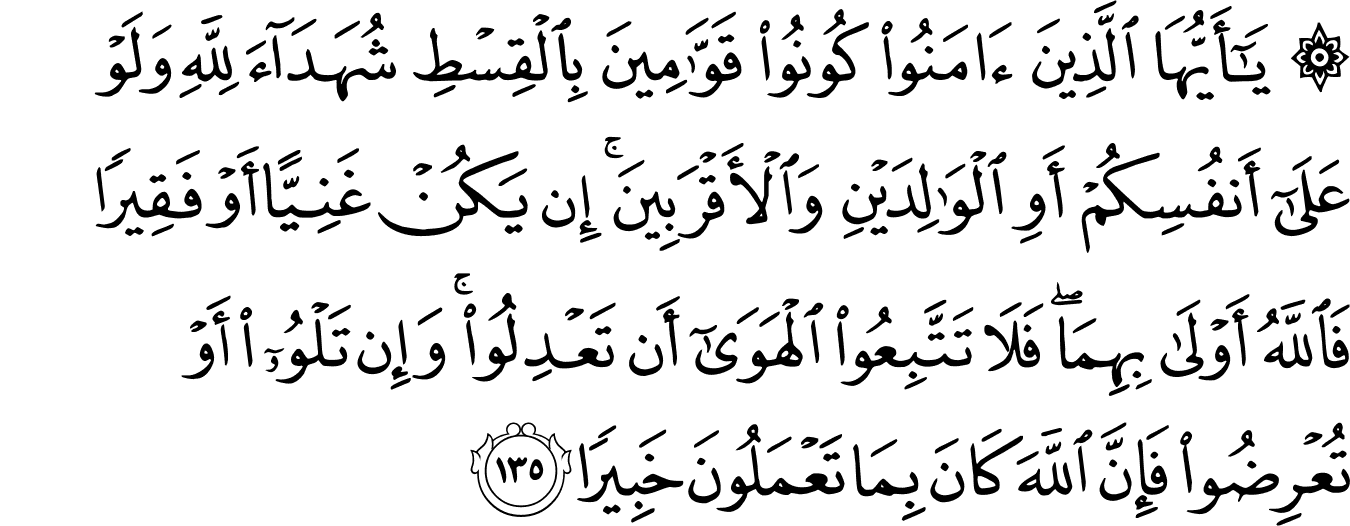
“O you who have believed, be persistently standing firm in justice, witnesses for Allah, even if it be against yourselves or parents and relatives. Whether one is rich or poor, Allah is more worthy of both. So follow not [personal] inclination, lest you not be just. And if you distort [your testimony] or refuse [to give it], then indeed Allah is ever, with what you do, Acquainted.” [Surah An-Nisa; 4:135]
The Prophet ﷺ treated the strong and weak equally, refusing favoritism. In a school setting, fairness builds trust — students know that the counselor’s decisions are principled, not personal.
7. Safety is another prophetic trait: Prophetic Safety. The Prophet ﷺ was a refuge; people ran toward him, not away. Allah ﷻ describes him as a mercy to all creation.
“And We have not sent you, [O Muhammad], except as a mercy to the worlds.” [Surah Al-Anbiya; 21:107]
Children felt safe approaching him, and adults confided in him without fear. A counselor’s office becomes a sanctuary when students know they can enter without judgment, ridicule, or dismissal.
8. Alongside safety stands Prophetic Gentleness. The Prophet ﷺ said that gentleness beautifies everything it touches. Allah ﷻ loves gentleness, and the Prophet ﷺ embodied it even in moments of correction. Gentleness de‑escalates conflict, softens hardened emotions, and opens pathways for growth. For counselors, gentleness is not weakness — it is strategic compassion.
9. The Prophet ﷺ also possessed Prophetic Vision, seeing potential in people long before they saw it in themselves. The Qur’an reminds believers not to lose hope in Allah’s Mercy [Surah Yusuf; 12:87], and the Prophet ﷺ described people as mines of gold and silver. Counselors carry this same vision when they look at a struggling child and see not the problem, but the possibility.
10. Finally, prophetic character is defined by Prophetic Consistency. Allah ﷻ commands steadfastness [Surah Hud; 11:112], and the Prophet ﷺ taught that the most beloved deeds are those done consistently. Children trust consistency more than charisma. A counselor’s reliability — showing up with the same calmness, fairness, and mercy day after day — becomes a source of healing.
Together, these ten prophetic qualities form a complete framework for school counseling grounded in Qur’an and Sunnah. They transform counseling from a set of tasks into a spiritual practice, a reflection of divine guidance, and a continuation of prophetic ethics in a modern setting. When counselors embody prophetic presence, listening, dignity, mercy, hope, fairness, safety, gentleness, vision, and consistency, they become sources of stability and compassion for every child who walks through their doors.
This is counseling as worship.
This is service as amanah.
This is a prophetic character in practice.
Related:
– The Theologies Of The Mental Health Industry, Counsellors, And Psychotherapists
– The Urgent Need For Muslim Chaplaincy On Campus: An Investment In Spiritual Futures