

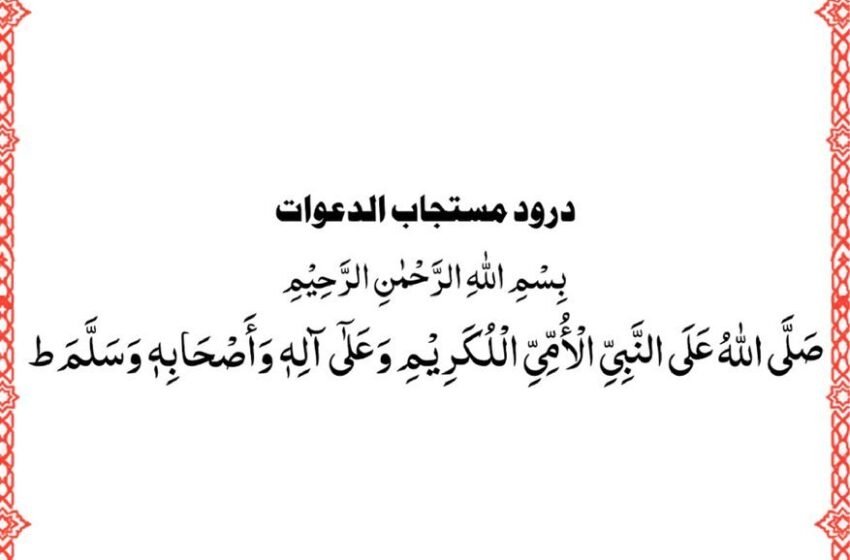
Durood Mustajabud Dawaat: Meaning, Dua and Salawat
Durood Mustajabud Dawaat: The Connection Between Salawat and Accepted Duas

Download Durood e Mustajabud Dawaat .pdf
Making dua is an important part of a Muslim’s relationship with Allah. Whether someone is asking for guidance, forgiveness, ease during a difficult period, or blessings in everyday life, turning to Allah through supplication is an expression of faith and dependence on Him.
Durood Mustajabud Dawaat is a name associated with the idea of accepted supplications. It brings attention to an important devotional subject: the place of sending blessings upon Prophet Muhammad ﷺ while making dua.
For Muslims who are learning about different forms of Durood Sharif, understanding this connection can add meaning to their daily remembrance. It is also important to distinguish between the general virtue of Salawat and claims about particular results that require reliable religious evidence.
What Does Durood Mustajabud Dawaat Mean?
The name Mustajabud Dawaat is commonly understood as referring to accepted or answered supplications. The term draws attention to the hope that a person’s dua will be accepted by Allah.
When this name is used for a particular Durood, it is helpful to understand its devotional context without assuming that the name itself proves a guaranteed outcome.
Dua is an act of worship in which a believer asks Allah for help, mercy, forgiveness, and guidance. Sending Salawat upon Prophet Muhammad ﷺ is also an important act of devotion. Both practices have a meaningful place in Muslim life.
Why Is Durood Connected With Dua?
Sending blessings upon Prophet Muhammad ﷺ is encouraged in Islam. Muslims include Salawat in their prayers and supplications because it is an act of remembrance and respect for the Messenger of Allah ﷺ.
Many Muslims also make a habit of beginning and ending their personal supplications with Salawat. This is a familiar devotional practice, although the details and recommended forms should be learned from reliable Islamic teachings.
The connection between Durood and dua can be understood through a few important points.
1. Remembering the Prophet ﷺ While Making Dua
Salawat reminds Muslims of Prophet Muhammad ﷺ and his role in conveying the message of Islam. Including Durood in one’s devotional routine keeps this remembrance connected with the act of supplication.
2. Showing Respect and Love Through Salawat
Sending blessings upon the Prophet ﷺ is an expression of love and respect. It also reminds believers to learn from his character, teachings, and example.
3. Turning to Allah With Hope
A Muslim makes dua with hope in Allah’s mercy. Salawat can be part of this devotional practice, while the believer continues to ask Allah sincerely and places trust in His wisdom.
4. Developing Consistency in Worship
Regular remembrance can help a person maintain a stronger connection with worship. Reading Durood, making dua, and reflecting on their meanings can become part of a balanced daily routine.
What Can Muslims Learn From the Name Mustajabud Dawaat?
The name encourages reflection on the importance of dua rather than treating supplication as a way to demand a particular result.
Sometimes a person asks Allah for something specific. At other times, they ask for patience, protection, forgiveness, or a better direction in life. A believer makes these requests while trusting that Allah knows what is best.
The idea of accepted supplication should therefore be approached with faith and patience. Acceptance does not always mean receiving exactly what was requested at the exact time expected.
This understanding helps prevent unrealistic expectations about any particular devotional formula.
How to Include Durood in Your Dua Routine
A personal routine does not need to be complicated. What matters is sincerity, consistency, and understanding the words being recited.
You may follow a simple approach:
- Begin by praising Allah and remembering His mercy.
- Send blessings upon Prophet Muhammad ﷺ.
- Make your personal dua clearly and sincerely.
- Ask Allah for forgiveness, guidance, and what is good for you.
- End your supplication with Salawat if that is part of the practice you follow.
If you follow a particular method taught by a qualified scholar, learn its wording and context from that source.
Is There a Fixed Recitation Count for Durood Mustajabud Dawaat?
There is no fixed recitation count established by the name alone. A specific number should not be described as compulsory or guaranteed unless it is supported by a reliable Islamic source.
Some devotional traditions may recommend particular counts for certain forms of Durood. If you have received such a recommendation, it is sensible to check its source with a knowledgeable scholar.
It is better to recite with understanding than to focus only on reaching a number while overlooking the meaning of the supplication.
Does Durood Mustajabud Dawaat Guarantee the Acceptance of Dua?
No particular Durood should be presented as a guaranteed way to obtain every requested result. Allah alone knows what is best for His servants.
Muslims are encouraged to make dua with sincerity, patience, and trust in Allah. They should also continue making practical efforts towards their goals and seek guidance when facing difficult decisions.
The name Mustajabud Dawaat may express hope for accepted supplication, but it should not be used to promise specific outcomes without authentic evidence.
Frequently Asked Questions About Durood Mustajabud Dawaat
What is Durood Mustajabud Dawaat?
Durood Mustajabud Dawaat is a name associated with a form of Salawat and the concept of accepted supplications. Its devotional subject connects sending blessings upon the Prophet ﷺ with making dua to Allah.
What does Mustajabud Dawaat mean?
The expression is commonly understood as referring to accepted or answered supplications. It reflects the hope that Allah will accept a believer’s dua.
Can I recite Durood before making dua?
Many Muslims include Salawat before and after personal supplications. If you follow a particular method, learn its recommended wording and practice from reliable Islamic guidance.
Is there a special number for reciting Durood Mustajabud Dawaat?
The name alone does not establish a special number. Any specific count should be supported by a trustworthy religious reference.
Does reciting this Durood guarantee that my wish will come true?
No guaranteed result should be promised without authentic evidence. A believer should make dua sincerely and trust Allah’s wisdom regarding its acceptance and outcome.
Can I make personal dua after sending Salawat?
Yes. Muslims can ask Allah for forgiveness, guidance, mercy, and other lawful needs in their personal supplications.
Conclusion
Durood Mustajabud Dawaat brings attention to two important parts of Muslim devotional life: sending blessings upon Prophet Muhammad ﷺ and making sincere dua to Allah.
Its name encourages believers to reflect on the hope of accepted supplication, but it should not be treated as a promise of guaranteed results or a substitute for reliable religious guidance.
Keep your dua sincere, learn the meaning of the Durood you recite, and maintain trust in Allah. The value of devotional practice lies not only in the words themselves but also in the understanding, faith, and sincerity with which they are offered.