
Research Paper: The Ritual and Medicinal Ointments of Apostles and Jesus: Malagmam for wounds or a mummification formula?

M. A. Chaudary
Abstract: A medicinal formula known as the Ointment of Isis, Ointment of Athena, of Venus, of Manda, of Apostles and of Jesus, was recorded as early as first century CE by Heras of Cappadocia. A Comparative study of ancient medicinal and religious texts reveals a connection between the nomenclature of this ointment, its preparations and certain religious beliefs of Early Christian Church.
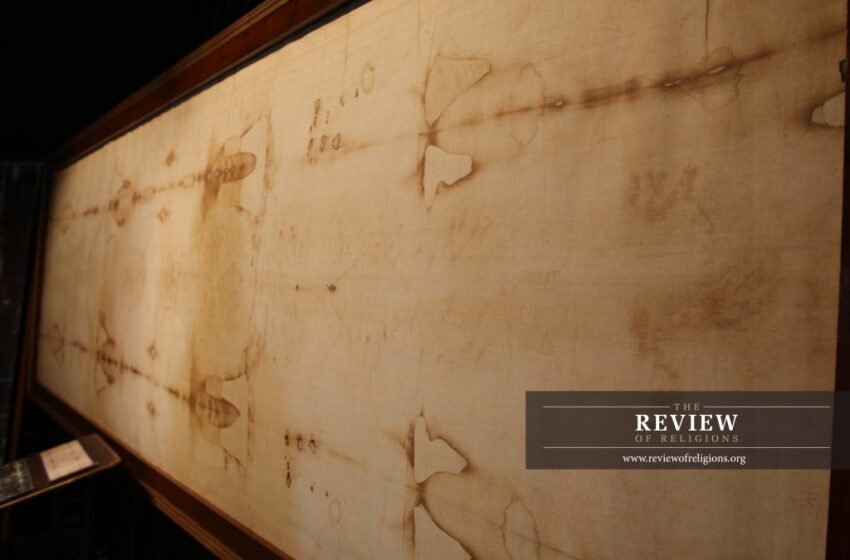
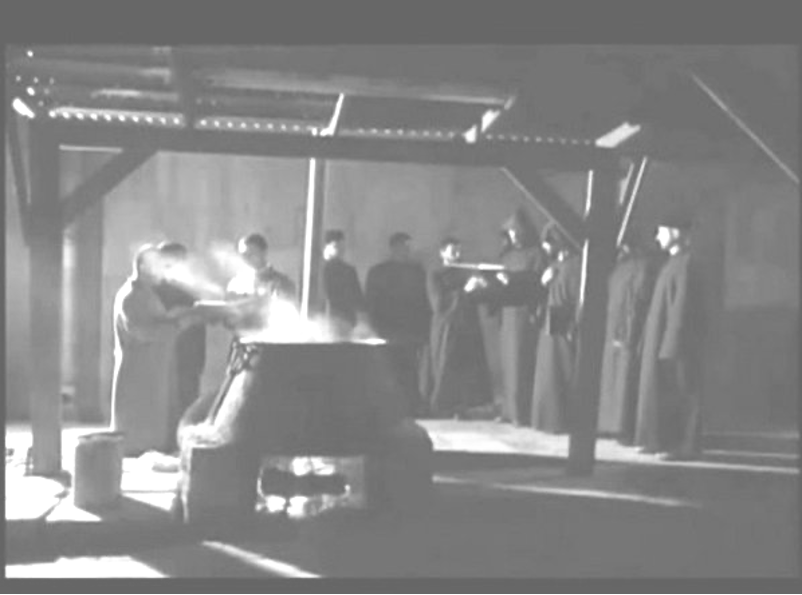
A few years back I was working with Late Norma C. Weller on the possible role of a medicinal ointment named Ointment of Jesus and Ointment of Apostles in the formation of image on cloth of Turin. She consulted Dr. Stephan Buckley, the well-known archaeo-chemist and mummification expert, about the composition of the ointment’s formula. His first impression was that this ointment must be used to treat a living person not a corpse. Later he expressed the opinion that it could be used for libation of corpses in first century Judea, something not yet proven. In the New Testament, the Apostles Luke and John tell us that Jesus was removed from the cross, taken to the rock-hewn chamber, wrapped in linen and anointed with an ointment of gum resins, herbs and oils[1]. John records that Nicodemus brought the ointment in a big quantity however according to a careful reading of a Latin variant of John 19:39, Nicodemus brought only a litre of a “malagmum” (a word reserved for emollient medicinal ointments, an Emollientum), to the burial chamber under the cover of night.[2] The exact nature of this ointment used in the anointing of Jesus has continued to remain an enigma. Despite the fact that it played an important role on the eve of crucifixion there has always been a shroud of mystery surrounding its original composition and its preparation process. It is generally agreed upon[3] that it was first prepared to treat the wounded body of Jesus after he was taken down from the cross. From this moment onward the Holy Chrism or the Christian ritual ointment is being produced by different Christian denominations[4]. It was considered a sacred ointment given to Jesus, the servant of God.[5] For some time it was prepared according to the original formula of the ointment which Mark took with him to Alexandria. Later it was changed by the fourth century Bishop Athanasius. Athanasius (c. 296–298 – 2 May 373) added or removed many ingredients according to his choice.[6] Today the formulae of this ritual ointment differ substantially, as do the methods of its preparation[7]. In some of the Eastern churches[8] the ritual of ointment making is still a very secret activity conducted by no less than the head of the Church and chief deacons.
However the pre-fourth century formula survived in medicinal texts with comparatively little variation in ingredients and preparation. Named as the Ointment of Apostles (Unguentum Apostolorum or Emplastrum Apostolicon), Ointment of Myrrh and Aloe[9], Oil of Balsamum[10], Ointment or Oil of Nicodemus[11], Ointment of Jesus[12], Christ’s balm[13], Emplastrum Divinum, Unguentum Manus Christi[14] and Unguentum Gracia Dei[15]or a Gift from God (الشلیثا)[16], it signifies a genre of ointments sprang from one mother medicinal formula which was first time reported in first century CE medicinal and religious texts. There is no reason to believe Heras of Cappadocia’s testimony that the ointment was invented by priests of ancient Egypt as a charismatic healing ointment because we have no proof of the existence of such an ointment in ancient Egypt or anywhere else in pre-common era medicinal texts, it could be conjectured that its Egyptian connection is a fabrication. Other names of the ointment like Manda (Mandaian) Athena (Greek) Isis (Egyptian) and Zahra or Venus (Roman) do not exceed first century CE. This provides evidence for the origin of this ointment from around the first century CE within a sacred context. Galen reported its use as a common treatment for cerebral wounds in Rome in second century CE. Later we find it in almost every important compilation of medicinal formulas. The Materia Medica of Celsus, a book that never reached the East before the renaissance contains similar formulas of Judean and Arab origin. The First Century physician Sacrabonius Largus preserved many similar formulas in his book.
To the 4th century Christian fathers it was not a lifesaving emollient ointment but a balm to save a corpse from decay[17]. But if considered from a medical perspective, this ointment presents a very different picture of what happened in the burial chamber the night Nicodemus arrived with about one litre of an emollient ointment (malagmum) in an unguentarium. Pharmacopoeias and Materia Medica of physicians like Heras of Cappadocia[18], Galen (170 CE)[19], Dioscorides (40-90 CE)[20] Celsus (10-40 CE)[21], Aetius of Amadia (520-575 CE)[22], Paulus of Aegina[23] (625-690CE) and Nicolai Myrepsi Alexandrini (13th century CE)[24], ancient Syriac medicinal documents[25] and books of Jewish[26] and Christian[27] physicians of late antiquity, present evidence which show that the ointment was widely in use to treat persons who were targeted of judicial torture.
The basic ingredients of the ointment are Olibanum (Libanotos or male Thuris), Myrrh, Eastern or Western Opoponax, Aloe, Aristolochia longa, Gum Ammoniacum, Gum Mukul (Bdellium), Spuma Argenti (Scum or Silver), Verdigris, Pine resin (or Gum of Pistacia Atgantica or Turpentine),Wine Vinegar and Old Olive oil.
The combinations
Post 1st century CE medicinal texts provide ample evidence that the ointment of Jesus was well integrated in the Pharmacoepia of that time. All the ingredients were in use in many ointments. It is worth noting that the ointments of the New Testament were medicinal ointments of that time. For instance the ointment of Nard was a well-known ointment consisting of Nard. To prepare it oil was inspissated with Cyperus, whilst Costus, Amomum, Nard, Myrrh and Balsam were added (Dioscorid. lib. i. cap. 76.). Ariston had also composed an ointment for feet with gout, containing of Nard, Cinnamon, Cassia, Chamaeleon, round Cyperus, goat’s suet melted in the Iris Ointment, which ought to lie in the strongest vinegar for twenty days. It was also useful for recent tubercles, and all pains. Ammoniacum thymiama dissolved in vinegar was also part of an ointment for aching feet.[28]
An Ointment known as Barbarum contained Rasile Verdigris, Litharge, Alum, dry pitch, dry pine resin, oil and vinegar.[29] Emplastrum Choacon had only litharge, dry resin, oil.[30] Basilicon had Opopanax, Galbanum, pitch, resin and oil.[31] Samaragdine had pine resin, verdigris, flour of frankincense, oil, vinegar.[32] An Ointment by Rufum had pine resin, verdigris, flour of frankincense, oil and vinegar.[33] Attalum plaster (plaster for wounds) contained copper scales, soot of frankincense, Ammoniacum, liquid turpentine, resin, beef suet, vinegar and oil.[34]
Cephalica Plasters which were used for skull fractures and drawing ointments, were very close to the ointment of Jesus like the Green Plaster consisting of Calcined copper, Copper scales, Myrrh, Isinglass, crude Misy, Rasile Verdigris, Birthwort, round Alum, oil, and vinegar.[35] The Judaian Plaster contained salt, red copper, scales, calcined copper, Ammoniacum thymiama, soot of frankincense, dry resin, Colophonian resin,wax,veal suet cured, vinegar and oil.[36]
Drawing plasters like the Plaster of Philocrates (also for promoting a suppuration) contained Sal Ammoniac, Birthwort, Wax, Turpentine, resin, soot of frankincense, Litharge, Iris and Galbanum.[37] A Plaster known as Rhypodes contained Myrrh, Saffron, Iris, Propolis, Bdellium, the heads of pomegranates, Scissile and round Alum, Misy, Chalcitis, boiled copperas,” Opopanax, sal Ammoniac, Viscum, Birthwort, copper, scales, Turpentine resin, Wax, and Suet, either beef or goat’s.[38] Hecataeus (For Drawing) had Galbanum, Soot of frankincense, Wax and Turpentine resin, a little Iris-ointment.[39]
There were some which calculated against bites; such as the black plaster of Diogenes, which contained Bitumen, Wax, dry pine resin, Litharge, oil. Another consisted of copper scales, Ceruss and rasile verdigris, Ammoniacum, Wax, pine resin, Litharge and oil. Another was composed of copper scales, Galbanum, Ceruss and rasile verdigris, Ammoniacum, rasile verdigris, Ammoniacum, pine resin, with these the litharge is boiled.[40] Sacrabonius Largus recorded many of the above mentioned formulas along with some others under the headings of Emplastrum, Lipara and Malagmatorum.[41]
Produced below are several ancient formulae, both long and short, drawn from the oldest available editions and manuscripts.
Ancient formulas of the Ointment of Jesus
| 1 | 2 | 3 | 4 | 5 | 6 | 7 |
| Oleum Myrrhae compositum | Nicodemus 1 Emollient ointment New Testament | Necodimus2 | Nicodemus3 | Nicodemus4 Oleum Nicodemi | Ointment of Luke by Ateus of Amadia | Ointment of Peter by Ateus of Amadia |
| Myrrha rubra | Myrrh | Myrrh | Myrrh | |||
| Aloe apatica | Aloes | Aloes | Aloes | Aloes Hepaticae | ||
| White wine | White wine | Vini albi optimi | ||||
| Salis communis | ||||||
| Sarcocolean / Sarcocolla | ||||||
| Lithargyri | ||||||
| Tutiae Alexandrinae | ||||||
| Cerusse | ||||||
| Thymiamatis | Thymiamatis | |||||
| Bdelli | ||||||
| Thuris | ||||||
| Styrax | ||||||
| Galbani | Galbani | |||||
| Ooponaci | ||||||
| Cera | Cera Albe | |||||
| Olei | Olei antiqui | Old oil | ||||
| mastiche | Terebinthinae | Resin pini | ||||
| Croci | ||||||
| Seminum? | ||||||
| Hyperici | ||||||
| 2 others |
| 8 | 9 | 10 | 11 | 12 | 13 | 14 | 15 | 16 |
| Unguen tum Isis by Heras (a formula of the temple of Memph is in Egypt) | Unguen tum Athena by Paulus | Unguen tum Apostolorum by Syrian Physician | Unguen tum Divinum by Nicolai | Unguen tum Apostolorum1 by Nicolai | Unguen tum Apostolorum2 by Nicolai | Unguen tum Apostolorum by Masveh Junior | Unguen tum Iudaeus By Celsus | Unguen tum Barbaric By Paulus |
| Argenti Spumae | Argenti Spumae | Lytargiri | Lytargiri | Lytargiri | Lytargiri | Lytargiri | ||
| Guttae Ammoniaci | Ammonia | Ammoniac | Ammoniac | Ammoniac | Ammoniac | Armonicai | Ammoniac | |
| Sa ammoni ac | ||||||||
| Bdelli | Bdelli | Bdelli | Bdelli | Bdelli | ||||
| Aceto | Wine Vinigar | Aceti, Vini | Vinigar | AAceto | ||||
| Cera | Cera | Cera | Cerae nouae | Cerae | Cerae | Cera Albe | Cera | |
| Galbani | Galbani | Galbani | Galbani | Galbani | Galbani | Galbani | ||
| Opoponax | Opoponaci | Opoponax | Opoponaci | Opoponaci | Opoponax | |||
| Aloes | Aloes | Aloes | ||||||
| Aristalociae | Aristalo ciae. L Aristalo ciae. R | Aristalo ciae. L | Aristalo ciae. L | Aristalo ciae. L | Aristalo ciae. R | Aristalo ciae. L | ||
| Scraped virdigris | Verdigris | Prabii Virdis | ||||||
| Aerisusti (Burnt Copper) | Aeris usti |
Method of Preparation
The treatment of wounds in ancient medicine was a specialized field. The same ingredients could be used in many forms and consistencies like Powder, Oil, Unguentum, Emplastrum and Malagmum etc. In ancient medicinal texts the ointment formula is found totally or partially in many such forms. Records of 15 years of its use on many types of injuries, wounds and skin diseases suggests that it could be prepared in two forms for the best results. For fresh injuries the formula prepared as a tincture, glue the wound and gives the best results. For injuries with a stiffened body, old wounds, ulcers and many other skin diseases it works best if prepared as an unguentum. The unguentum could be prepared in two ways. It could be prepared much like the Holy Chrism in Eastern Churches, through a week-long process of pounding, grinding, and later cooking and stirring the ingredients in a double boiler. It could also be prepared rapidly in a day or so, by dissolving the gums into wine vinegar, cooking Spuma Argenti with olive oil separately and later boiling the dissolved gums with old pure olive oil, then adding the remaining ingredients into the boiling oil one by one and pouring the melted Spuma Argenti into the boiling mixture just before adding the bleached bee wax.
With hands-on experience of preparing the ointment for many years and experimenting with similar but partially different methods described by different physicians, I can suggest the following guidelines for preparing a state-of-the-art ointment of Jesus.
1. The ingredients should be brought to their prepared and refined form first and should not be included raw if it is required.
2. Myrrh, Olibanum, Aristolochia Longa, Gum Mukul (Bdellium), Western and eastern Opoponax and gum Ammoniac should be grinded into smaller pieces and dissolved into wine vinegar. If the aloe is to be added it could be dissolved into vinegar or added at the cooking stage.
3. Spuma Argenti (Scum of Silver, a silver salt in its prepared form) should be cooked with old virgin olive oil. In case lead oxide is used instead of scum of silver, it will be cooked with olive oil until silver bubbles appear and the oil takes shape of a thick dark brown liquid.
4. The dissolved gums should be cooked in old virgin olive oil until the wine vinegar all burns and bubbling stops.
5. Turpentine or gum of pine should be added in powdered form into the vinegar-free boiling oil.
6. Verdigris should be grinded into very fine powder and sprinkled on the boiling mixture in small quantities and should be well-stirred to dissolve itself into the boiling oil.
7. Sun and moon bleached (white) bee wax, several times boiled in water with nitre should be included at the end.
Given the brief nature of this article, only basic information is presented, as its primary intent is to spark scholarly interest in exploring its curative and image-making properties. There is a need to investigate this ointment’s role in the formation of the rites of the Second Sacrament by taking into consideration the medicinal and religious history of the ointment, the ingredients and their healing properties, its preparation and its potential to form an image on a linen cloth. This introductory paper will pave the way for further investigations to discover the true nature of the ointment used in the Holy Sepulchre (John 19:39) on Jesus’s body after crucifixion and to determine whether it was a Rafout (Hebrew for Healing ointment) or a Hanut (Hebrew and Arabic for Mummification) i.e. a formula for the preservation of a dead body. It will also provoke interest in the scientific investigation whether this ointment could be used as a medium in the creation of an image like the one on the Shroud of Turin, and in case it was used, its role in the formation of the image on this cloth.
Bibliography
Abilbian Abul Fazal Dawood bin Hasan Sliman Al-Israeli (died 643 A.H) Al-Dastoor fil Tibb-al-Bimaristan. Manuscript folio 128. MaktabaAljamia-al-Kabeer Sana.No.247.
Abul Barkat ibn Kibr. Msbah al Zulma fi Izah Alkhidmah. Part 1.Mktaba al Karooz 1971.
Allen, Joseph J. Orthodox Synthesis: The Unity of Theological Thought: an Anthology Published in Commemoration of the Fifteenth Anniversary of Metropolitan Philip as Primate of the Antiochian Orthodox Christian Archdiocese of North America. St. Vladimir’s Seminary Press, 1981.
Austin, Gerard. The rite of conformation; anointing with the spirit. 1978.
Badruddin Muhamad bin Bahram (Died.1165 CE). Aqrabazin alaqlansi. 1983. Halab.
Belfour, Francis Cunningham. The Travels of Macarius, Extracts from the Diary of the Travels of Macarius, Patriarch of Antioch,. London: Oxford University Press, H. Milford, 1936.
Bernhold, Johann Michael. Scribonii Largi Compositiones Medicamentorum Denus Ad Editionem Rhodianam. Argentorati: Apud Amandum Koenig Bibliopolam Typis Knenleinianis, 1786.
Budge, E. A. Wallis. Syrian anatomy, pathology and therapeutics; or, “The Book of Medicines.” The Syriac text, edited from a rare manuscript, with an English.London, Oxford University Press, 1913.
Celsus, Aulus Cornelius, and Walter George Spencer. De Medicina. London: W. Heinemann;, 1935.
Dioscorides, Pedanius, and Janus Antonius Saracenus. Pedakiu Dioskoridu Tu Anazarbeōs Ta Sōzomena Hapanta: Addita Sunt Ad Calcem Eiusdem Interpretis Scholia … Opera Quae Extant Omnia. Wechelius, Marnius & Aubrius, 1598.
Dorveaux, Paul. L’Antidotaire Nicolas. Deux Traductions Françaises De L’Antidotarium Nicolai, L’une Du XIVe Siècle … L’autre Du XVe Siècle, Incomplète, Publiées … Par Le Dr. P. Dorveaux … Préface De M. Antoine Thomas. 1896. Print.
Facciotti, P. A. Antidotario romano latino, e volgare. Tradotto da Ippolito Ceccarelli. Li ragionamenti, e le aggiunte dell’elettione de’ semplici, e prattica delle compositioni. Con le annotationi del sig. Pietro Castelli romano. E trattati della teriaca romana, e della teriaca egittia. Roma.1639.
Galenus, Claudius, and Andreas Lacuna. Epitome Omnium Galeni Pergameni Operum, in Quatuor Partes Digesta, Universam Illius, Viri Doctrinam Complectens ; Cum Compendio Ipsiusmet Galeni in Hippocratem, in Calce Hujus Libri Adiecto. Autore Andream Lacuna. Editio Novissima. ed. Lugduni: J. Caffin [et] F. Plaignard, 1643.
Hapgood, Isabel Florence. Service Book of the Holy Orthodox-Catholic Apostolic Church. Rev. ed. New York: Association, 1922. Print.
Ibn Jazla Minhajul Bian fimaYastamiluhu Al-Insan. MSS.No. 615.King Saud University Riyadh.Folio 179.
Ibn Māsawayh, Yaḥyā Abū Zakarīyā (0777?-0857). Mesue cum expositione Mondini super canones universales ; ac etiam cum expositione Christophori de Honestis in antidotarium ejusdem. Antidotarium Nicolai cum expositione Platearii. Tractatus quid pro quo ([Reprod.]) / additiones Petri Apponi ; additiones Francisci de Pedemontium. Éditeur : per Joannem et Gregorium de Gregoriis (Venetiis). 1546.
Loeches, Juan De. Tyrocinium Pharmaceuticum Theorico-practicum, Galeno-chymicum: Auctum, Correctum, Et Reformatum … Barcinone: Ex Typographia Joannis Jolis :, 1751. Print.
Luisini, Luigi. De Morbo Gallico Omnia Quae Extant Apud Omnes Medicos Cuiuscunque Nationis, Qui Vel Integris Libris, Vel Quoquo Alio Modo Huius Affectus Curationem Methodicè Aut Empiricè Tradiderunt, Diligenter Hincinde Conquisita, Sparsim Inuenta, Erroribus Expurgata,. Venetiis: Apud Iordanum Zilettum, 1566. Print.
Martinellum, J. (Venetiis)Antidotarium Romanum seu Modus componendi medicamenta: quae sun in usu… Venetiis. 1585
Mc Daniel, Thomas F. Notes on John 19:39, 20:15 and Matt 3:7.
http://tmcdaniel.palmerseminary.edu/MBS_9_JOHN_19-39.pdf. 2009.
Myrepsos, Nicholas. L’Antidotaire Nicolas: deux traductions françaises de l’Antidotarium Nicolai : l’une du XIVe …Bibliothèque nationale (France )., Paul Dorveaux 1896
Paulus, Aegineta, 625-690; Adams, Francis,. The Seven Books of Paulus Aegineta. Vol.2. Reprint. London. 1846. Print.
Serra Antonio & Ruffinelli, Gio Angelo Tradotto da IppolitoAntidotario romano latino e volgare. Tradotto da Ippolito Ceccarelli romano spetiale all’insegna della Vecchia. Con l’aggiunta dell’elettione de’ semplici, e prattica delle compositioni. E due trattati, uno de la Teriaca romana, e ragione de suoi ingredienti. L’altro de la Teriaca egittia. All’illustrissimo e reverendissimo signore, monsignor Antonio Serra referendario dell’una, e dell’altra segnatura, e presidente delle bolle apostoliche. Roma. 1624
Solerius, Hugo. Aetii Medici Graeci Contractae Ex Veteribus Medicinae Tetrabiblos, Hoc Est, Quaternio, Sive Libri Universales Quatuor, Singuli Quatuor Sermones Complectentes, Ut Sint in Summa Quatuor Sermonum Quaterniones, Id Est, Sermones Sedecim, per Janum Cornarium… 1549.
ENDNOTES
[1]Luke 24:53-26 and John 19:38-42
[2]Mc Daniel 2009.
This phrase in Codex Palatinus, reads “ferens malagmam murrae et aloen quasi libras centum.” The malagmani was an obvious error for the original malagmam. See Liddell Scott (1966: 1076) for the malagma “emollient.” McDaniel suggest the variant reading: And Nicodemus, who at first came to Jesus by night, came bringing a flask of [emollient]ointment,—a mixture of myrrh and aloes, about a liter — moaning / wailing.
[3] “As the Altar represents the sepulcher of our Lord Jesus Christ, so the mastic, mingled with fragrant spices, represents the sweet-smelling spices wherewith Joseph of Arimathea and Nicodemus anointed the body of our Lord when they laid him in the tomb…”
Service Book of the Holy Orthodox-Catholic Apostolic Church. 1922. Orthodox Eastern Church..614.
[4]For the formula used by Russian Orthodox Church see The Travels of Macarius 1652-1660. p.74:
“With regard to ourselves, his Lordship the Patriarch had begun to make the Divine Myron, or Holy Oils… we had been employed, from the beginning of Lent, in pounding the materials. Notwithstanding the events that had taken place, we began the composition, that the articles might not be spoiled; and commenced on Passion Monday. Every day we compounded a portion; till the fifth, which was on Holy Thursday. During the whole of the operation, the Patriarch, the Bishops, and the rest of the Priesthood, stood round the boiler, reading the Gospels of Purification. When we had finished on Holy Thursday, we put into the composition, oil of balsam, musk, amber, aloes, and other precious substances; and decanted it into vessels, which we carried to the church of the Convent of the Domina, where the Patriarch said mass.
[5]As in apostolic Constitutions 7.27.1:For the sweet smell of the balsam… which you revealed to us through your servant Jesus.
[6]Hence, he prepared all of the needed perfumes and spices from which God ordered Moses to make the Holy ointment as mentioned in the Book of Exodus (Chapter 30), with pure olive oil. Then the sanctification of the Myron was fulfilled in Alexandria, and Pope Athanasius was entrusted with the holy oil (leaven), which contained spices which touched the Lord’s body whilst in the tomb, as well as the original oil which had been prepared by the Apostles and brought to Egypt by St. Mark. He distributed the oil to the churches abroad: to the See of Rome, Antioch and Constantinople, together with a document of its authenticity, and the patriarchs rejoiced in receiving it.
http://www.copticchurch.net/
[7]Ibn Kibr : 350
“No other sacrament has had such a checkered history. No other sacrament has changed so frequently in ritual, prayers, and meaning through the centuries. Alexander Schmemann writes: “No other liturgical act of the Church has provoked more theological controversies than this second sacrament of initiation; none has received a greater variety of interpretation”(Austin 1978:9)
[8]“In the primitive Church the oils to be used in the initiation of catechumens were consecrated on Holy Thursday in the Missa Chrismalis. Two different ampullae were used, one containing pure oil, the other oil mixed with balsam. This mixture was made by the pope himself before the Mass, in the sacristy. During the Mass two clerics of lesser rank stood before the altar holding the ampullae. Towards the end of the Canon the faithful were allowed to make use of themselves (Tertullian, “Ad Scap.” iv.), but the same oil also served for extreme unction”.
(Oils.http://www.newadvent.org/cathen/07421b.htm).
[9]“With him came Nicodemus, the man who had come to Jesus at night. He brought about seventy-five pounds of ointment made from myrrh and aloes.” (John 19:39)
[10]The medicated oil of Balsamum or Myrrh was an ancient herbal formula with many ingredients.
[11]Unguentum Nicodemi alio and unguentum Nicodemi. (Mesue 1546:520-523)
[12]Greek versions of Didache has ointment while Coptic Didache fragment (0:3b-12:2a) in British Museum (P Lond Or. 9271) says: ‘We give thanks to you Father concerning the stinoufi which you showed us, through Jesus your servant. Yours is the glory forever. Amen.’ For details see The Egyptian Background of the ‘Ointment’ Prayer in the Eucharistic Rite of the Didache (10:8). Huub van de Sandt.
www.didache.info/PDFs/SandtSBL2004.pdf. Many Physicians of Trans-oxus and Persian origin in late Mughal India mention this ointment under the title of “Ointment of Jesus”.
[13]Allen, Joseph J 1981:3
[14]Joanne de Loeches 1751:395.
[15]Luisini 1566:464. Facciotti 1639: 247.
[16]Ibn Bahram (1165 CE:1983.
[17]Dionysius Bar Salibi. Commentaries on Myron and Baptism. Translation and Introduction by Baby Varghese. St. Ephrem Ecumenical Research Institute (SEERI). 2006
[18]Active between 20 BC and AD 20. Hera’s origin and the classicism of his medical material suggest an association with the ‘School of Tarsus” in the city of Paul, Luke and Galen. Galen quotes him 25 times.
[19]Galenus 1643:578. Facciotti 1639: 247.
[20]Dioscorides:1598. The medicinal properties of the herbs and minerals in the formula are fully described by him at various places in the volumes of this book.
[21]Book 5 of De Medicina by A. Cornelius Celsus contains many formulas comprised mainly of the ingredients of Unguentum Apostolorum. He also describes every ingredient’s healing properties.
[22]Aëtius 1549:917
[23]Paulus 1895:104-5 ” But when the ulcers are fouler the powders called cephalic are to be applied, and of those applications that are made upon pledgets, that called trophos, the isis and the athena.” And Facciotti 1639: 247
[24]Myrepsus 1896:34. Paris.
[25]Budge1913:165-66(2).
[26]Al-Israeli Folio 128.
[27]Ibn Jazla Folio 179.
Martinellum 1585:93a, b.
Martinellum 1585:93a, b.
Serra & Ruffinelli1639:129.
[28] Celsus 1837:224
[29] Celsus 1837:225
[30] Celsus 1837:226
[31] Celsus 1837:226
[32] Celsus 1837:226
[33] Celsus 1837:226
[34] Celsus 1837:228
[35] Celsus 1837:227
[36] Celsus 1837:228, But amongst those, which are proper for a fractured skull, some use that which is said to be invented by Judaeus.
[37] Celsus 1837:229
[38] Celsus 1837:229
[39] Celsus 1837:229
[40] Celsus 1837:230
[41] Sacrabonius Largus 1786: 115-122,129,132-138