

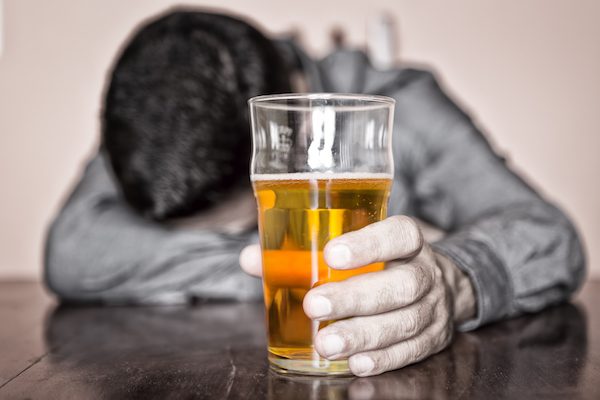
Issues in Focus: Alcohol Abuse
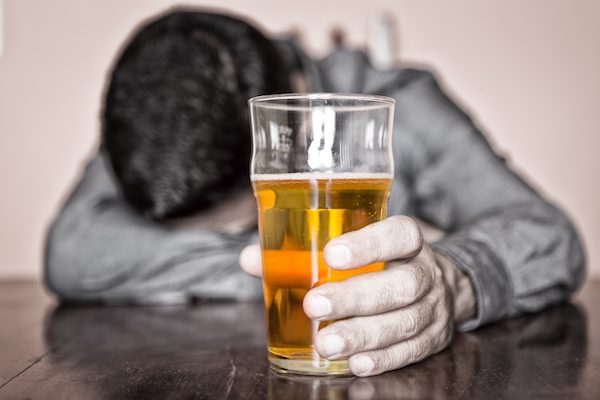
© Shutterstock
Fazal Ahmad, London, UK
Ill-Effects of Alcohol
On the streets of most major cities across much of the world every evening, there is the sad evidence of the effects of alcoholism in terms of violence, abuse, and other antisocial behaviour. There are reports that alcohol is now responsible for 4.7% of the global burden of disease and is contributing to 2.6 million deaths each year; 13% of deaths among people aged between 20 to 39 years are attributable to the misuse of alcoholic substances.
Globally, 400 million people live with alcohol related disorders and the addictive nature of the drug.
Health experts are warning that alcohol abuse can lead to cancer, high blood pressure, heart disease, liver disease, stroke and digestive issues. Alcohol also exacerbates mental health issues and the loss of control is seen to lead to violence and injuries.
The World Health Organization (WHO) describes alcohol as both toxic and psychoactive with addictive properties that impact the most vulnerable in society. The International Agency for Research on Cancer classifies alcohol as carcinogenic.
Religious Teachings on Alcohol
Islam is the most well-known faith that has made the drinking of alcohol illegal for Muslims, as it says in the Holy Qur’an:
“They ask thee concerning wine and the game of hazard. Say: ‘In both there is great sin and also some advantages for men; but their sin is greater than their advantage.’” (Holy Qur’an 2:220)
Islam warns that although there are some medical benefits related to alcohol, the dangers far outweigh any benefits, and hence Muslims are forbidden to drink alcohol. Again, the Qur’an describes alcohol as an abomination (Holy Qur’an 5:91-92) and tells Muslims to shun it in order to prosper.
Other faiths have also warned their followers about the ill-effects of drinking beyond moderation, such as Buddhism:
“There are these six drawbacks of habitually consuming beer, wine, and liquor that cause intoxication. Immediate loss of wealth, promotion of quarrels, susceptibility to illness, disrepute, indecent exposure; and weakened wisdom is the sixth thing. These are the six drawbacks of habitually consuming beer, wine, and liquor intoxicants.” (Digha Nikaya 31:8.1)
Rabbi Isaac is recorded in the Talmud commenting on Proverbs 23:31:
“Look not upon wine that reddens the faces of the wicked in this world when they drink it, and whitens their faces, i.e., embarrasses them, in the World-to-Come.” (Talmud, Sanhedrin 70ab)
Most faiths, even where they adopt wine for rituals, condemn excessive drinking where their followers lose their self-control such as in the New Testament of the Bible:
“Do not get drunk on wine, which leads to debauchery. Instead, be filled with the Spirit.” (Ephesians 5:18)
Conclusion
Although some faiths allow the use of wine for ceremonies and rituals, they all warn of the dangers of excess and drunkenness and encourage abstention as being better. Of all the faiths, it is Islam that provides the clearest message in prohibiting alcohol. Across the world, the ill effects are coming into sharper focus and driving towards low-alcohol or abstention as societies suffer the consequences.